
Understanding the 1099 Form for Contractors
Navigating tax forms can be daunting, especially for small business owners and contractors. The 1099 form for contractors is crucial for reporting income paid to independent contractors. It ensures both parties comply with tax regulations.
The 1099 Form for Contractors is not just a tax obligation; it represents the financial relationship between businesses and independent contractors.
Understanding the 1099 form is essential for accurate tax reporting. It helps the IRS track income not subject to withholding. This form is vital for independent contractors and businesses alike.
Being familiar with the 1099 Form for Contractors can also aid in tax planning and financial management.
The 1099 form for contractors provides clarity in tax documentation and helps in maintaining accurate records for both parties involved in freelance work.
Businesses must issue a 1099 form to contractors paid $600 or more annually. This requirement applies to various types of income, including freelance work and consulting.
Understanding the implications of the 1099 Form for Contractors ensures compliance and avoids potential disputes.
It’s important to note that understanding the 1099 form for contractors can significantly impact how income is reported to the IRS.
Timely issuance of 1099 forms is critical to avoid penalties. Both businesses and contractors should be aware of key deadlines.
Both businesses and contractors should familiarize themselves with the implications of the 1099 form for contractors to avoid misunderstandings.
The 1099 Form for Contractors is required for services rendered, ensuring accurate income reporting.
This guide will help you understand the 1099 form process. It covers who should receive it, how to issue it, and important deadlines.
What Is a 1099 Form for Contractors?
A 1099 form for contractors is a tax document used to report various income types that are not wages. It is distinct from the W-2 form, which is used for employees. Instead, it captures the earnings of independent contractors and freelancers.
For contractors, the 1099 form for contractors serves as proof of income for tax purposes. It is pivotal for both the contractor’s records and tax reporting. This form is the basis for calculating self-employment taxes.
This is why the 1099 Form for Contractors is critical for both parties to maintain transparent financial records.
Businesses fill out 1099 forms for contractors to document payments made to non-employee workers. Typical payees include freelancers, subcontractors, and consultants. It captures all earnings of $600 or more.
Here’s a quick look at key features of a 1099 form:
- Lists total payments to contractors.
- Provides the contractor’s taxpayer identification number.
- Includes the contractor’s name and address.
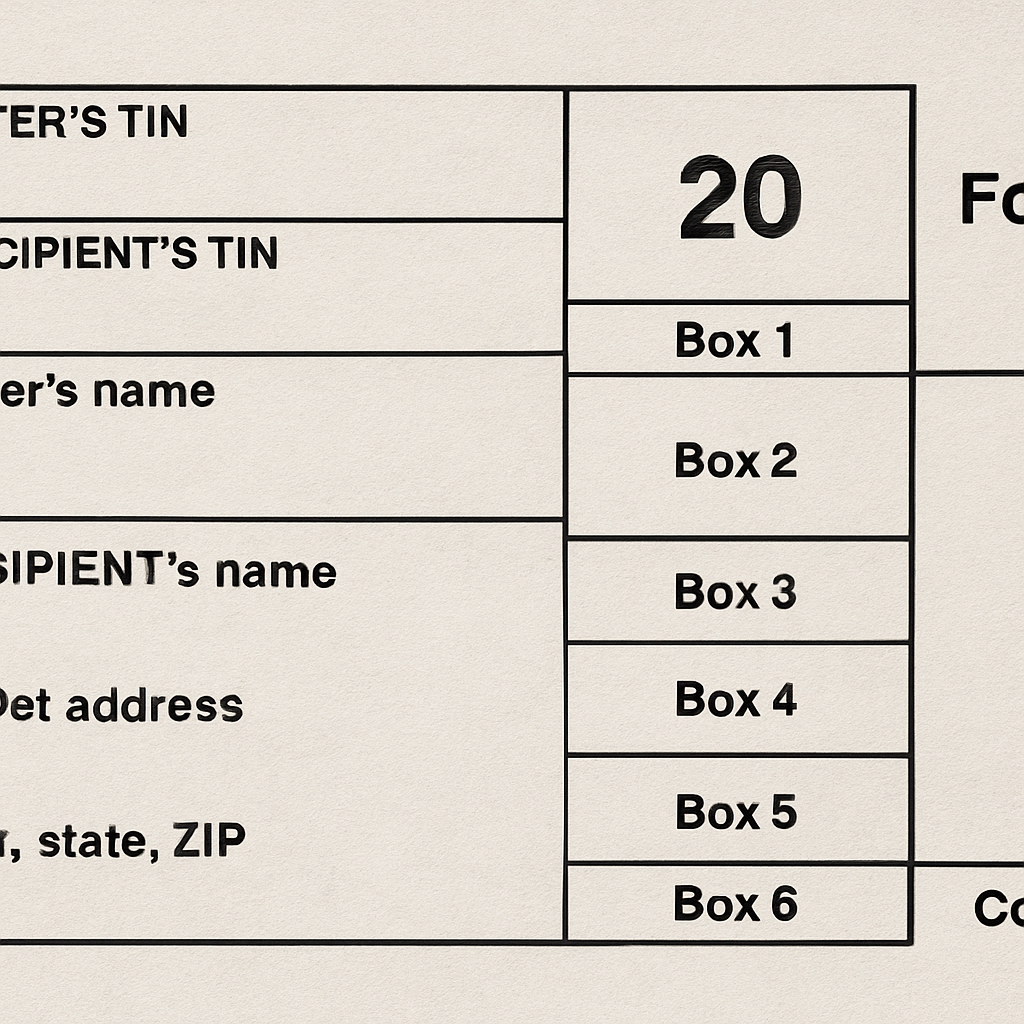
The image below illustrates the 1099 form layout and essential fields:
Who Should Receive a 1099 Form?
The 1099 form is essential for independent contractors, freelancers, and other non-employee workers. Businesses issue it to individuals who provide services without forming an employment relationship. The income from these services is typically reported to the IRS for tax purposes.
The 1099 form for contractors is essential for independent contractors, freelancers, and other non-employee workers. Businesses issue it to individuals who provide services without forming an employment relationship.
A 1099 form must be issued if a business pays a contractor $600 or more in a year. This threshold applies to payments for services, not goods or merchandise. It’s crucial for businesses to distinguish between employees and contractors when determining who needs a 1099 form.
When businesses decide to issue a 1099 form for contractors, they must ensure all income payments are accurately recorded.
Here is a quick guide to help identify who should receive a 1099:
- Freelancers providing professional services
- Consultants offering expertise
- Subcontractors completing project-based work
Ensuring accurate issuance of 1099 forms helps maintain compliance with tax regulations and prevents potential penalties.
Issuing the 1099 form for contractors correctly helps maintain compliance with tax regulations.
Familiarizing yourself with the requirements of the 1099 Form for Contractors helps businesses avoid unnecessary penalties.
Types of 1099 Forms: NEC, MISC, and More
The 1099 form series consists of multiple variations, each serving different purposes. The most common among these are the 1099-NEC and 1099-MISC forms. While both are used for reporting payments, they serve distinct functions.
The 1099-NEC form is specifically for non-employee compensation, like payments to independent contractors. On the other hand, the 1099-MISC form covers miscellaneous incomes, such as rent, royalties, and other reportable income types. Understanding these differences is essential for accurate reporting.
Understanding the different types of 1099 forms, including the one specifically for contractors, is vital for ensuring accurate tax reporting.
Here’s a brief rundown of various 1099 form types:
- 1099-NEC: Non-employee compensation
- 1099-MISC: Miscellaneous income
- 1099-DIV: Dividends and distributions
- 1099-INT: Interest income
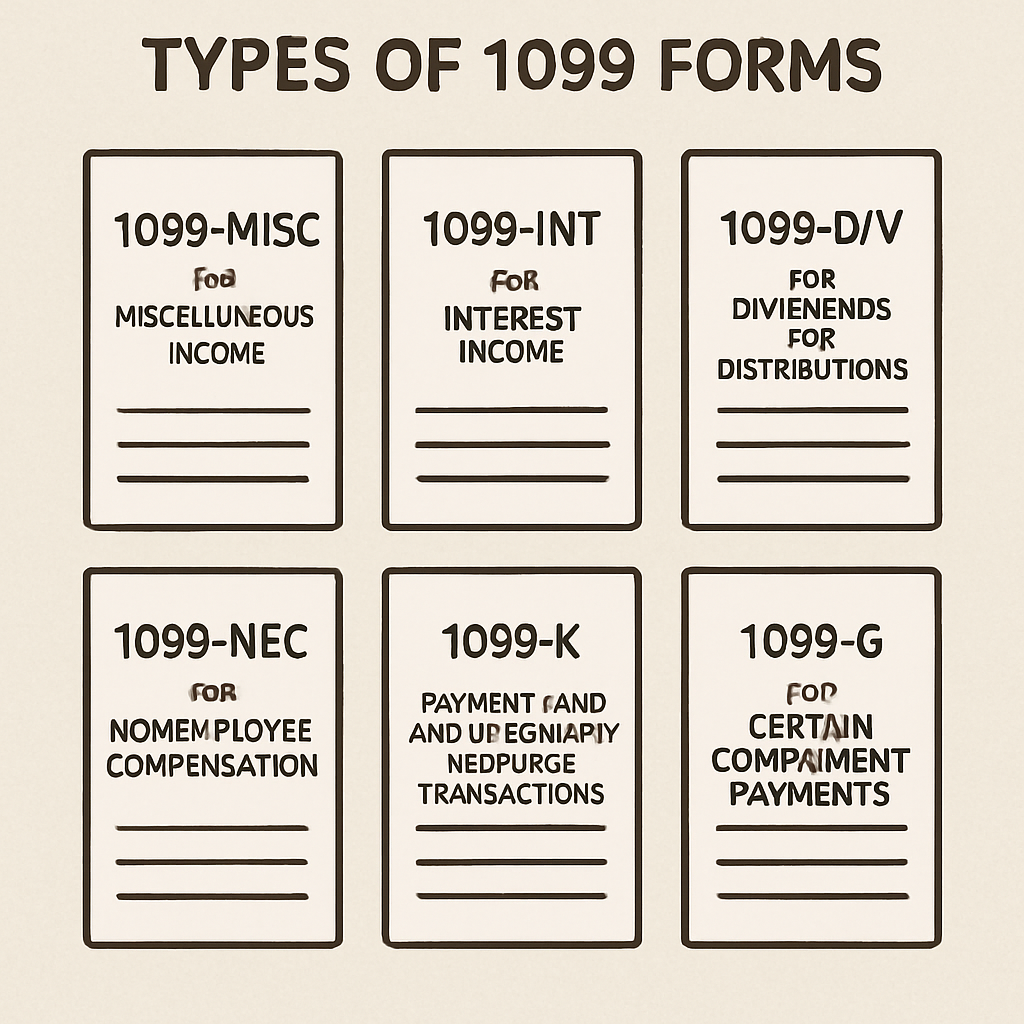
By selecting the correct form, businesses ensure transparency and compliance, avoiding unnecessary complications during tax season.
Employee vs. Independent Contractor: Key Differences
Choosing to classify someone correctly as a contractor ensures that the right type of 1099 form for contractors is issued.
Understanding the distinction between an employee and an independent contractor is crucial. Employers control how an employee works, including when and where tasks are performed. In contrast, independent contractors have more autonomy and self-determined work methods.
Classifying a worker as an independent contractor affects tax responsibilities. Independent contractors receive a 1099 form, not a W-2, and are responsible for their own tax withholdings. Misclassification can lead to legal issues and financial penalties for businesses.
Here are key differences between employees and independent contractors:
- Control: Employees follow employer guidelines, while contractors set their own schedules.
- Benefits: Employees often receive health and retirement benefits; contractors do not.
- Taxes: Contractors handle their own tax obligations; employees have taxes withheld by employers.
Proper classification ensures compliance with IRS regulations and minimizes potential complications.
What Paperwork Do You Need for a 1099 Contractor?
Working with independent contractors involves specific paperwork to ensure compliance. Key documents are essential for both parties to maintain accurate records. Contractors should provide employers with necessary details at the start of the contract.
The W-9 form is particularly important for ensuring that the correct 1099 form for contractors can be issued later.
A W-9 form is vital, where the contractor provides their taxpayer identification number and other information. This ensures proper 1099 issuance. Additionally, maintaining records of all payments is important for accurate reporting and tax compliance.
Here’s a basic list of required paperwork:
- W-9 Form: Captures the contractor’s information.
- Payment Records: Keeps track of amounts paid.
- Signed Agreements: Outlines terms of work.
Ensuring all paperwork is complete and accurate helps streamline the tax process and avoid penalties.
How to Issue a 1099 Form to a Contractor
When issuing a 1099 form for contractors, businesses should follow a systematic approach to avoid errors.
Issuing a 1099 form to a contractor is a key part of tax compliance for businesses. Follow these steps to ensure a smooth process. Begin by gathering all necessary information from the contractor.
Start by verifying the contractor’s details using the W-9 form. Check their name, address, and taxpayer identification number. This ensures accuracy when completing the form. Once you have their details, calculate the total payments made to them over the year.
The next step is filling out the 1099-NEC form. This form is used for reporting non-employee compensation. Be sure to list the total amount paid during the year accurately. Misreporting can lead to issues with both the contractor and the IRS.
Finally, send the completed 1099 form to the contractor and the IRS by the required deadline. Consider using electronic filing for efficiency and compliance. Issuing a 1099 form can be straightforward if you follow these steps and keep accurate records.

Use clear documentation when preparing your 1099 form for contractors to avoid complications during tax preparation.
Step-by-Step: Filling Out the 1099-NEC Form (With Example)
Filling out the 1099-NEC form is simpler than you might think. Start by gathering all the necessary details. Ensure you have the contractor’s full name, address, and taxpayer identification number. These details are critical for accuracy in reporting.
Next, you’ll need to locate Box 1 on the 1099-NEC form. This is where you’ll record the total annual compensation paid to the contractor. Make sure this amount matches your records. Double-check for consistency to avoid discrepancies.
Here’s a step-by-step guide to help you fill out the form:
- Obtain the contractor’s W-9 form.
- Fill in the contractor’s name and address.
- Enter the contractor’s taxpayer identification number.
- Record the total non-employee compensation in Box 1.
Follow these steps to complete the process with confidence. If you’re unsure, refer to an example of a completed form. This can provide clarity and guidance.

When Are 1099 Forms Due? Key Deadlines for Employers and Contractors
Timeliness is crucial when dealing with 1099 forms. Employers must send these forms to contractors by January 31st each year. This ensures contractors have sufficient time to prepare their tax returns accurately.
Understanding the deadlines for the 1099 form for contractors is crucial for compliance and avoiding potential penalties.
The IRS also has filing deadlines. Businesses need to submit their 1099 forms to the IRS by January 31st. Meeting these dates avoids penalties and ensures compliance with tax regulations.
Key deadlines to remember:
- January 31st: Deadline to furnish 1099 forms to contractors.
- January 31st: Deadline for the IRS submission.
Understanding and adhering to these dates is vital for both employers and contractors in managing their tax obligations effectively.
Penalties for Missing or Incorrect 1099 Forms
Failing to issue or incorrectly filling out a 1099 form can lead to penalties. These fines vary based on how late the forms are filed and whether the errors were intentional or accidental. It underscores the importance of accuracy and timely submission.
Penalties for missing or incorrect 1099 forms emphasize the importance of accuracy in the 1099 form for contractors.
Penalties might include:
- $50 per form if filed up to 30 days late.
- $110 per form if more than 30 days late but before August 1st.
- $270 per form if filed after August 1st or not filed at all.
Ensuring proper submission helps avoid unnecessary financial burdens.
Maintaining precise records related to the 1099 form for contractors can prevent unnecessary financial burdens.
Best Practices for Managing 1099 Forms and Contractor Records
Effective management of 1099 forms and contractor records is crucial for compliance. Start by implementing a systematic approach to track payments and store contractor information securely. Regularly updating these records minimizes the risk of errors.
Consider the following best practices:
- Use accounting software for accuracy.
- Verify contractor details yearly.
- Maintain organized digital and physical records.
- Set reminders for 1099 deadlines.
By adopting these strategies, you can streamline the 1099 process and ensure timely submissions. Staying organized not only aids compliance but also simplifies year-end tax preparations for both businesses and contractors.
Frequently Asked Questions About 1099 Forms for Contractors
Addressing common questions regarding the 1099 form for contractors can help clarify the requirements for both parties.
Many business owners and contractors have questions about the 1099 form. Understanding these common concerns can help clarify the process.
What if a contractor disagrees with the information? Contractors should notify businesses immediately to correct errors. Timely fixes prevent potential issues.
Do subcontractors get a 1099? Yes, subcontractors receiving $600 or more must get a 1099 form.
Here are key FAQs:
- Who fills out a 1099 form? The business paying the contractor.
- What if a payment was less than $600? No 1099 is required.
- Are electronic forms acceptable? Yes, they are valid.
These FAQs address common uncertainties about the 1099 process. Both parties should ensure accuracy for smooth transactions. Keeping informed about these aspects helps avoid penalties and ensures compliance with IRS requirements.
Conclusion: Staying Compliant with 1099 Forms
Staying compliant with the 1099 form for contractors is crucial for both businesses and contractors.
Ultimately, understanding the 1099 Form for Contractors is key to successful financial management.
Staying compliant with 1099 forms for contractors is crucial for both businesses and contractors. Timely issuance and accurate information help prevent legal issues.
Understand the requirements and deadlines related to the 1099 form for contractors to avoid penalties.