
Understanding W9, W4, and W2 Forms: W9 vs W4 vs W2 Explained
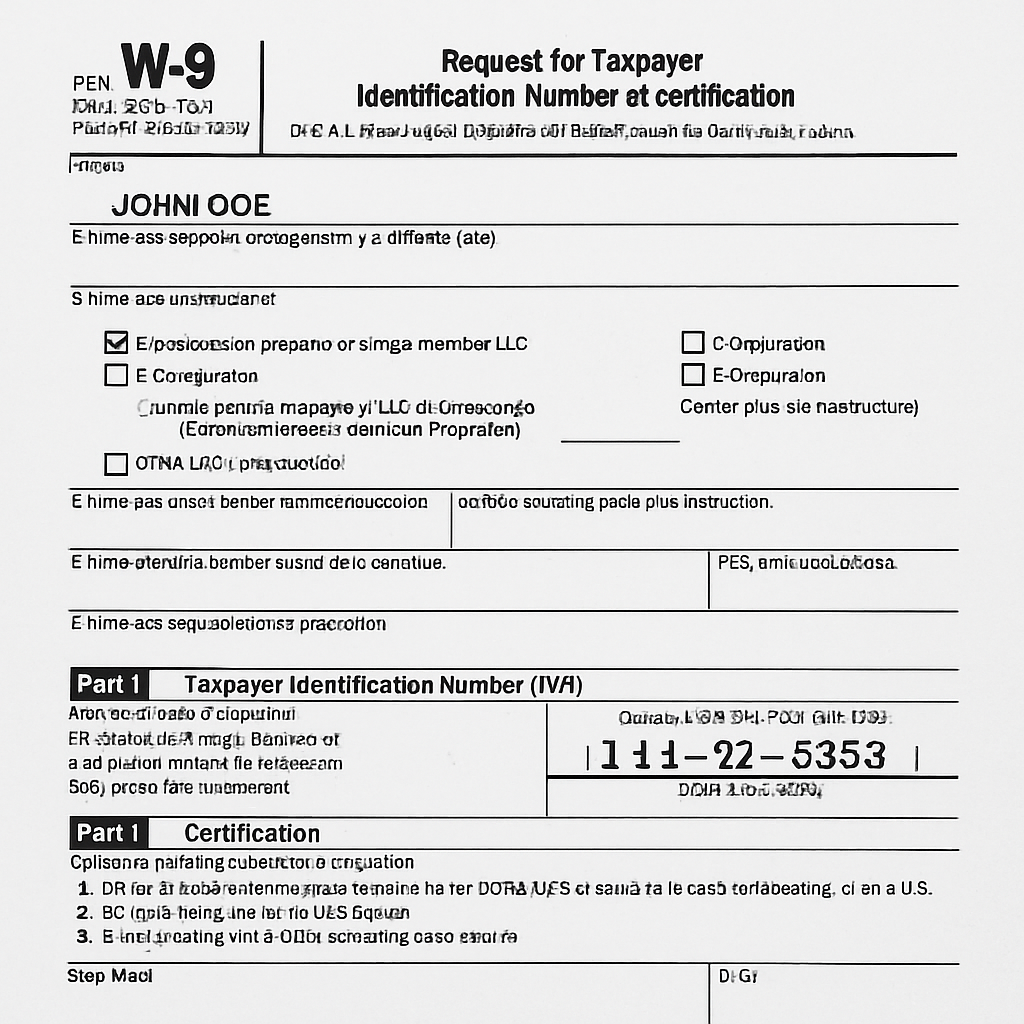
When managing your freelance business, understanding the role of the W9 can be beneficial for tracking income.
In discussions about tax forms, a common comparison arises: W9 vs W4 vs W2. Each form serves a unique purpose, and understanding these differences can aid in effective tax management.
Understanding the distinctions among W9 vs W4 vs W2 forms is essential for freelancers and contractors.
When considering independent contracting versus employment, the debate of W9 vs W4 vs W2 becomes relevant. Each form impacts how your income is reported and taxed.
Key Features of the W9 Form
- Purpose: The primary purpose of the W9 form is to provide your taxpayer identification number (TIN) to the requester. This TIN could be your Social Security Number (SSN) or Employer Identification Number (EIN). By providing this information, you help the business fulfill its reporting obligations to the IRS.
- Usage: The W9 is crucial for businesses as it aids them in reporting non-employee income to the IRS. Although the form itself does not result in tax withholding from your income, it sets the stage for accurate tax documentation. Understanding the difference between your SSN and EIN and when to use each is vital for proper tax filing.
- Recipients: Typically, the W9 form is filled out by freelancers, contractors, or vendors. If you’re working with multiple businesses, expect to fill out a W9 form for each one. This ensures that each company has accurate information for their records.
Why Businesses Require a W9
Businesses need to comply with IRS regulations by reporting payments made to independent contractors. The W9 form is a tool for this purpose, ensuring that the business has the correct TIN for each contractor. Misreporting can lead to penalties, making it essential for businesses to gather this information upfront. Understanding W9 vs W4 vs W2 forms can improve compliance and reporting accuracy.
The distinctions of W9 vs W4 vs W2 are vital in ensuring proper compliance with tax regulations. Knowing when to use each form can prevent tax issues.
The W9 form serves as a vital resource when it comes to understanding your tax obligations.
Properly managing your W9 form can greatly enhance your financial organization.
In any freelance engagement, understanding the implications of W9 vs W4 vs W2 can greatly affect your financial records and tax filings.

How to Fill Out a W9 Form
Filling out a W9 form is relatively straightforward, but accuracy is crucial. Ensure that all details, especially your TIN, are correct to avoid issues down the line. Retain a copy for your records, and keep in mind that sharing your SSN or EIN should be done with caution to protect against identity theft.
Common Mistakes with W9 Forms
One common mistake is providing incorrect TINs, which can lead to discrepancies in tax reporting. Another is misunderstanding the purpose of the form and assuming it impacts immediate tax payments. Clarifying these aspects can prevent misunderstandings and ensure smooth business relationships.
What is a W4 Form?

In the realm of employment, W9 vs W4 vs W2 can often lead to confusion, especially for new employees and contractors navigating their tax responsibilities.
Key Features of the W4 Form
- Purpose: The W4 form’s primary purpose is to communicate your tax withholding preferences to your employer. By accurately completing this form, you help ensure that the correct amount of tax is withheld, preventing surprises during tax season.
- Usage: The form helps ensure you don’t owe too much tax when you file your annual return, or have too much withheld, resulting in a large refund. Balancing your withholding can help manage your cash flow throughout the year.
- Recipients: The W4 is filled out by employees, not independent contractors. However, changes in employment status, marital status, or dependents can necessitate updates to your W4, impacting withholding amounts.
Adjusting Your W4 Form
Life changes such as marriage, having children, or taking on a second job may necessitate adjustments to your W4. Understanding how these factors influence your tax withholding can help you make informed decisions about updating your form.
Understanding your tax obligations requires knowledge of W9 vs W4 vs W2, as these forms dictate how taxes are withheld and reported.
Common Misunderstandings About the W4
Many employees overlook the importance of updating their W4, leading to incorrect withholding. Others may not realize that the form can be adjusted multiple times a year. Clarifying these points can prevent underpayment or overpayment of taxes.
Impact of the W4 on Your Take-home Pay
Your W4 choices directly affect your take-home pay. A lower withholding means more money in your paycheck but could result in a tax bill, while higher withholding might result in a refund. Understanding this balance helps in financial planning.
W4 for Contractors
Independent contractors typically do not fill out a W4 form, as they do not have taxes withheld by the companies they work for. Instead, they use the W9 form. However, if a contractor becomes a full-time employee, they will need to complete a W4 form. This transition requires understanding the different tax implications and ensuring correct documentation.
The choice between W9 vs W4 vs W2 can significantly influence your take-home pay and overall tax strategy as a contractor or employee.
Many independent contractors use the W9 form to ensure accurate reporting of their income.
What is a W2 Form?
The W2 form, titled “Wage and Tax Statement,” is a document an employer must send to an employee and the IRS at the end of the year. It reports an employee’s annual wages and the amount of taxes withheld from their paycheck. Understanding the W2 is essential for accurate tax filing and financial planning.
Key Features of the W2 Form
- Purpose: The W2 form’s main purpose is to report wages paid to employees and the taxes withheld from them. This form serves as a critical document for both tax filing and verification of income for various purposes, such as loan applications.
- Usage: Employees use the W2 to file their federal and state taxes. It provides a summary of earnings and withholdings, ensuring that all income is reported accurately to the IRS and relevant state authorities.
- Recipients: The W2 is sent to employees who have had taxes withheld, not independent contractors. Employees should receive a W2 from each employer they worked for during the year, allowing for comprehensive tax reporting.
Reading Your W2 Form
Understanding each box on your W2 form is crucial. It includes details about your total earnings, tax withholdings, and other deductions. Familiarizing yourself with this information can aid in accurate tax filing and financial planning.
When filling out your tax forms, the decision of W9 vs W4 vs W2 impacts your financial standing and legal obligations.
W2 vs. 1099: Key Differences
While a W2 is for employees, a 1099 is used for independent contractors. The primary difference lies in tax withholding; W2s reflect taxes already withheld, whereas 1099s report gross income with no taxes withheld. Understanding these distinctions is vital for correct tax reporting.
Common Errors in W2 Forms
Errors in W2 forms, such as incorrect personal information or wage details, can lead to tax filing complications. Reviewing your W2 for accuracy upon receipt and addressing discrepancies promptly with your employer can prevent issues with the IRS.
W9 vs. W4 vs. W2
Understanding the differences between these forms is crucial for both individuals and businesses. Each form serves a distinct purpose and applies to different employment scenarios.
The consequences of incorrectly using W9 vs W4 vs W2 can lead to significant tax complications, making understanding each form essential.
W9 vs. W2
-
- W9: For independent contractors to provide their TIN to businesses. It does not report income to the IRS but facilitates the reporting process for the business.
In scenarios where independent contractors are involved, the common comparison of W9 vs W4 vs W2 highlights the varying implications for tax reporting.
- W2: For employees to report their annual wages and tax withholdings to the IRS. It is a comprehensive summary of income and deductions for employed individuals.
W9 vs. W4
When discussing tax forms, one must consider W9 vs W4 vs W2 to ensure accurate information is provided to the IRS.
-
- W9: Used by contractors to provide information to companies they work with. It is a preliminary form for ensuring accurate tax reporting by the business.
- W4: Used by employees to let their employer know how much tax to withhold from their paychecks. It directly impacts the employee’s take-home pay and tax obligations.
Thus, navigating the differences of W9 vs W4 vs W2 helps individuals stay compliant with tax laws.
W4 vs. W2
- W4: Filled out by employees when starting a new job or when their financial situation changes to determine withholding amounts. It helps tailor tax withholding to personal circumstances.
- W2: Issued by employers at the end of the year to summarize an employee’s earnings and tax withholdings. It is used for tax filing and verification of income.
Importance of Differentiating Between Forms
Misunderstanding the roles of these forms can lead to incorrect tax filings and financial planning errors. Knowing which form applies to your situation helps in maintaining compliance and avoiding penalties.
When to Seek Professional Help
If you’re unsure about which forms to use or how to fill them out, consider seeking professional tax advice. An accountant or tax advisor can provide guidance tailored to your specific circumstances, ensuring accuracy and compliance.
When to Use Each Form
Navigating the world of tax forms requires understanding when and why each form is necessary. Proper usage ensures compliance and financial accuracy.
For Independent Contractors
- Use a W9 form when starting a new contract with a business. This form ensures the business has your correct TIN for reporting income paid to you. Keeping a copy for your records helps track your engagements.
For Employees
- Fill out a W4 form when you start a new job or need to adjust your tax withholding. This will guide your employer on how much tax to withhold from your paycheck. Reviewing your W4 periodically can help adjust withholdings as life circumstances change.
- At the end of the year, your employer will provide you with a W2 form, which you will use to file your taxes. Reviewing your W2 for accuracy is crucial before filing your tax return.
Transitioning Between Employment Types
Understanding when to switch forms, such as moving from independent contracting to employment or vice versa, is essential. Knowing the correct form to use in these transitions helps maintain compliance and accurate tax reporting.
It’s crucial to know the right tax form to use during transitions, especially when considering W9 vs W4 vs W2.
Common Questions
Tax forms often raise questions, especially when balancing multiple income sources or transitioning between employment types.
Can You Have Both a W2 and a W9?
Yes, it’s possible. If you are employed full-time and also work as an independent contractor on the side, you will receive a W2 from your employer and fill out a W9 for your contracting work. This dual role requires careful tracking of income and tax obligations from each source.
Understanding the nuances of W9 vs W4 vs W2 can also aid in financial planning and avoiding tax liabilities.
Do Contractors Receive a W2?
No, contractors typically do not receive a W2 form. Instead, they may receive a 1099 form, which reports income paid to them without taxes withheld. Understanding the implications of 1099 income is critical for accurate tax filing and payment.
How to Handle Multiple Tax Forms
Juggling multiple tax forms, such as W2s, W9s, and 1099s, requires organization and attention to detail. Keeping thorough records and seeking professional advice can help manage complex tax situations effectively.
As you manage multiple sources of income, keeping track of W9 vs W4 vs W2 becomes essential for accurate tax reporting.
Conclusion
By utilizing the W9 properly, you can streamline your tax reporting process significantly.
Utilizing the correct forms, especially W9 vs W4 vs W2, is vital to streamlining your overall tax process.
Understanding the purpose and usage of W9, W4, and W2 forms, especially the comparison of W9 vs W4 vs W2, is essential for managing your taxes effectively. This knowledge ensures that you are prepared, compliant, and informed about your tax obligations.
Benefits of Understanding Tax Forms
Ultimately, mastering the distinctions between W9 vs W4 vs W2 can provide you with a significant advantage in tax planning.
Gaining clarity on these forms empowers you to make informed financial decisions, optimize tax withholding, and avoid penalties. This knowledge can enhance your financial literacy and confidence in handling tax matters.
Staying Informed and Updated
Tax laws and forms can change, so staying informed about updates is essential. Regularly reviewing IRS resources or consulting with tax professionals can keep you abreast of any changes affecting your tax responsibilities.
Final Thoughts
Approaching tax forms with a clear understanding reduces anxiety and promotes financial well-being. Whether you’re filling out these forms for the first time or need a refresher, this guide provides a solid foundation for navigating your tax obligations.