
Why LLC Tax Deadlines Can Make or Break Your Business

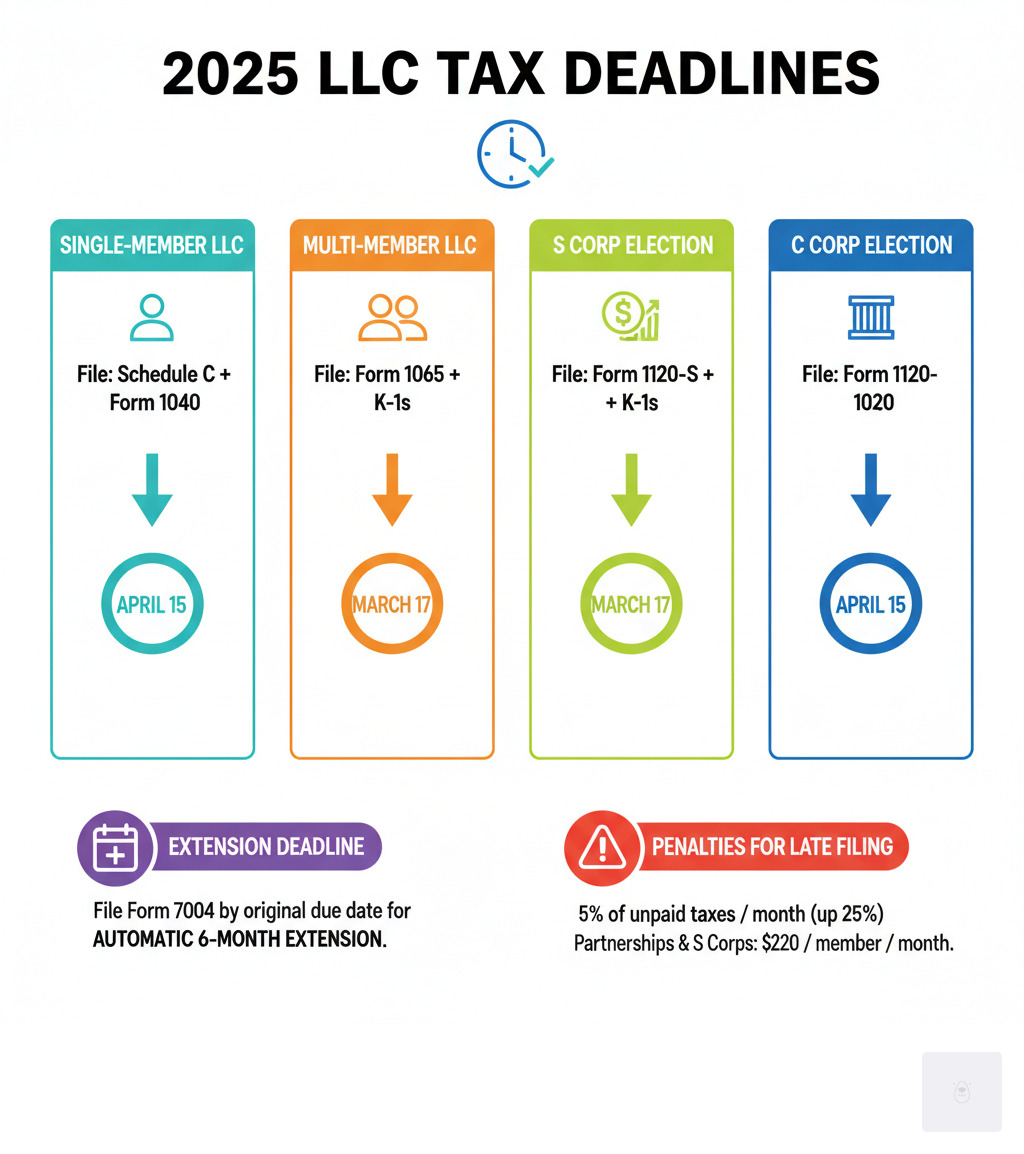
The llc tax return deadline isn’t one date but four, depending on your LLC’s tax election. Missing these deadlines leads to significant penalties. Here are the key dates for 2025:
LLC Tax Return Deadlines for 2025:
- Single-Member LLC (Sole Proprietorship): April 15, 2025 (Schedule C with Form 1040)
- Multi-Member LLC (Partnership): March 17, 2025 (Form 1065 + Schedule K-1s)
- LLC Electing S Corp Status: March 17, 2025 (Form 1120-S + Schedule K-1s)
- LLC Electing C Corp Status: April 15, 2025 (Form 1120)
The IRS charges 5% of unpaid taxes per month for late filing or $220 per member per month for partnerships and S corps. The confusion stems from an LLC’s flexibility. By default, single-member LLCs are taxed as sole proprietorships, and multi-member LLCs as partnerships. However, you can elect to be taxed as an S corp or C corp, each with different forms and deadlines. Understanding your classification is the first step to meeting your tax obligations.
I’m Haiko de Poel, and my work in business consulting and compliance has shown me how missing the llc tax return deadline can derail a business. Staying ahead of these dates is crucial for cash flow and avoiding penalties.
How Your LLC’s Tax Choice Dictates Its Deadline
Your LLC’s tax classification determines its tax deadline. Unlike other business structures, an LLC can choose its tax treatment, which is a common point of confusion. The IRS sets default classifications: single-member LLCs are treated as sole proprietorships, and multi-member LLCs as partnerships. However, you can elect to be taxed as an S corporation with Form 2553 or a C corporation with Form 8832. The main difference lies in pass-through taxation (profits pass to your personal return) versus corporate taxation (the business pays its own taxes). Understanding these options is key to knowing your deadline and avoiding penalties.
Single-Member LLC: The Disregarded Entity
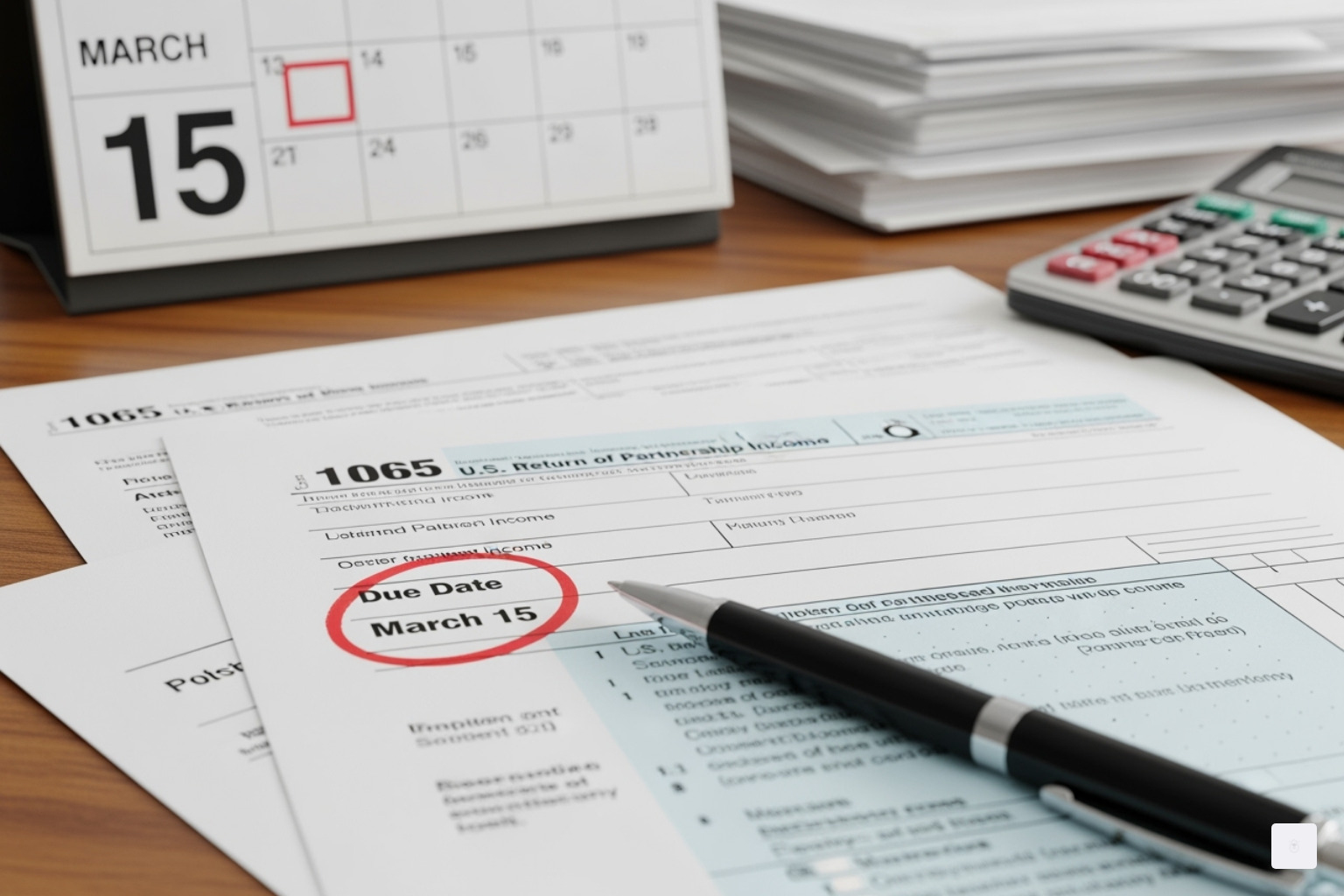
If you’re a solo owner, the IRS treats your LLC as a “disregarded entity,” meaning its financial activity flows to your personal tax return. You’ll report business income and expenses on Schedule C (Form 1040), the same form used by sole proprietors. Your business profits are added to your personal income, and you’ll pay self-employment taxes on those earnings. This simplifies filing with one return, but means all profits are subject to self-employment tax. Your llc tax return deadline is April 15th, aligned with personal taxes. You can find the form here: Schedule C (Form 1040).
Multi-Member LLC: The Partnership Path
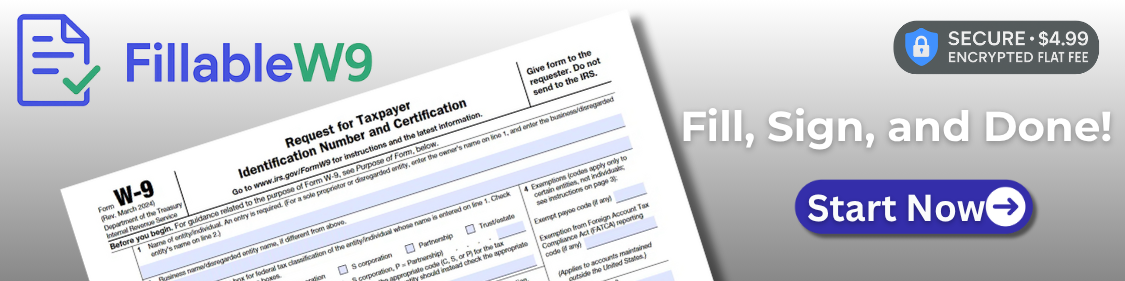
With two or more owners, your LLC is automatically classified as a partnership. This structure uses pass-through taxation, where the LLC itself doesn’t pay income tax. Instead, it files an informational return, Form 1065, by March 17th. Each member receives a Schedule K-1 detailing their share of income, losses, and deductions. Members then report this information on their personal tax returns (due April 15th). This avoids double taxation but creates an earlier business filing deadline. Learn more about partnership requirements at Form 1065 for partnerships.
Electing S Corp or C Corp Status
LLCs can elect to be taxed as an S or C corporation, which changes filing deadlines and tax strategies.
S Corporation: This election can reduce self-employment taxes. You pay yourself a reasonable salary (subject to payroll taxes) and take remaining profits as distributions (not subject to self-employment tax). The LLC files Form 1120-S by March 17th, and owners receive a Schedule K-1 for their personal returns.
C Corporation: This is less common for small LLCs but useful if you plan to reinvest most profits or seek venture capital. The LLC pays corporate income tax on its profits using Form 1120, due April 15th. This avoids self-employment taxes but introduces potential double taxation if profits are distributed to owners.
Making the right election depends on your business goals. The IRS offers guidance on S corporations to help you decide.
Key 2025 LLC Tax Return Deadline Dates
Knowing your llc tax return deadline is simple once you’ve identified your tax classification. Most LLCs use a calendar year (Jan 1 – Dec 31), but some adopt a fiscal year that better suits their business cycle. A common mistake is assuming the deadline is always April 15th. Depending on your tax election, it could be in March. If a deadline falls on a weekend or holiday, it moves to the next business day. Here are the federal deadlines for 2025 calendar year filers:
| LLC Tax Classification | Required IRS Form | 2025 Filing Deadline | Extension Deadline (with Form 7004 or 4868) |
|---|---|---|---|
| Single-Member LLC (Sole Proprietorship) | Form 1040 (with Schedule C) | April 15, 2025 | October 15, 2025 |
| Multi-Member LLC (Partnership) | Form 1065 | March 17, 2025 | September 15, 2025 |
| LLC Electing S Corp Status | Form 1120-S | March 17, 2025 | September 15, 2025 |
| LLC Electing C Corp Status | Form 1120 | April 15, 2025 | October 15, 2025 |
Important note: These dates apply to calendar year filers. If your LLC operates on a fiscal year, your deadlines will be the 15th day of the third or fourth month following the close of your tax year, depending on your entity type.
The IRS provides helpful guidance for businesses just starting out or winding down operations, which you can find here: Starting or ending a business 3 | Internal Revenue Service
March 17, 2025: For S Corps and Partnerships
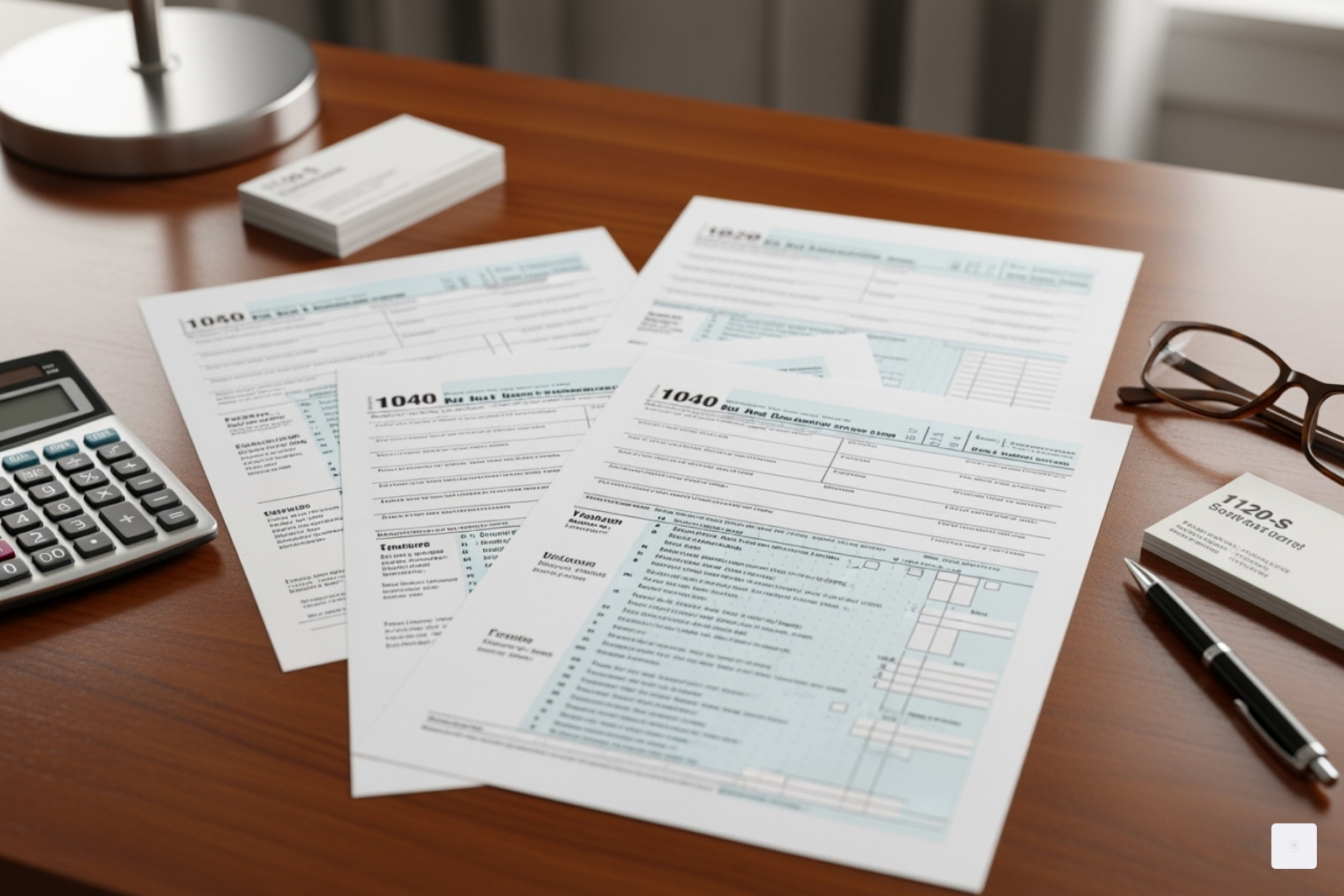
If your LLC is a multi-member partnership or has elected S corp status, March 17th is your critical deadline. This earlier date is intentional. Partnerships file Form 1065 and issue Schedule K-1 forms to each partner. S corps file Form 1120-S and do the same for shareholders. Partners and shareholders need these K-1s to complete their personal tax returns by the April 15th deadline. Missing the March deadline is costly, as penalties are calculated on a per-partner/shareholder basis. For details, see Form 1120S for S corporations.
April 15, 2025: For C Corps and Sole Proprietorships
The traditional April 15th tax day is the deadline for single-member LLCs and those electing C corp status.
Single-member LLCs (as sole proprietorships) report business income on Schedule C with their personal Form 1040. Business and personal tax deadlines are the same.
LLCs electing C corp status file a separate corporate tax return, Form 1120, and pay corporate income tax directly. They are treated as distinct tax entities from their owners. While the deadline aligns with individual filing, C corp returns are complex and often require professional assistance. Learn more at Form 1120 for corporations.
Beyond the Annual Return: Other Critical LLC Tax Dates
Your annual llc tax return deadline is just one of many tax dates to track. Throughout the year, you’ll face other obligations like quarterly estimated tax payments, employment tax deadlines, and information returns for contractors. Don’t forget state-level taxes, which add another layer of complexity. Staying organized and proactive is the key to avoiding penalties and keeping your business in good standing with tax authorities.
2025 Quarterly Estimated Tax Deadlines
Most LLC owners must make quarterly estimated tax payments because no employer withholds taxes from their business income. If you expect to owe $1,000 or more in taxes for the year ($500 for C corps), you’re generally required to pay estimated taxes. These payments cover income and self-employment taxes. The IRS expects you to pay as you go, and you can face penalties for underpayment even if you pay the full amount by April 15th. A good practice is to set aside 25-30% of revenue for taxes. Use Form 1040-ES to calculate and pay.
Here are the 2025 quarterly estimated tax payment due dates:
- Q1 (January 1 to March 31): April 15, 2025
- Q2 (April 1 to May 31): June 17, 2025 (June 15 falls on a Sunday)
- Q3 (June 1 to August 31): September 16, 2025 (September 15 is a Monday)
- Q4 (September 1 to December 31): January 15, 2026
Employment and Information Return Deadlines
If your LLC has employees or uses independent contractors, you have more deadlines to manage.
For employees, you must provide a Form W-2 by January 31, 2025, and submit copies to the Social Security Administration by the same date. You’ll also file Form 941, Employer’s Quarterly Federal Tax Return, to report withheld income and payroll taxes. The 2025 deadlines are typically April 30, July 31, October 31, and January 31, 2026. See Form 941 for details.
For independent contractors paid $600 or more, you must issue a Form 1099-NEC by January 31, 2025. To do this, you need an accurate W-9 form with the contractor’s Taxpayer Identification Number (TIN) that you collected before payment. Proper documentation is key to smooth reporting. Learn more about Form 1099-NEC.
The foundation for meeting these information return deadlines successfully starts with collecting accurate W9 forms from all your contractors upfront. When you have clean, complete documentation from the beginning, January becomes much less stressful.
✅ Ready to streamline your contractor documentation? Complete your secure W9 online at https://fillablew9.com/apply/.
Filing an Extension & Penalties for Missing a Deadline
If you can’t meet your llc tax return deadline, the IRS offers extensions. However, an extension only gives you more time to file, not more time to pay your taxes. You must still pay your estimated tax liability by the original deadline to avoid penalties and interest. The IRS typically grants an automatic six-month filing extension, which can be a lifesaver if you’re waiting on documents or need more time with your accountant.
How to Correctly File for a Tax Extension
Filing for an extension is straightforward but must be done before your original deadline.
- For partnerships, S corps, or C corps, use Form 7004, Application for Automatic Extension of Time To File Certain Business Income Tax, Information, and Other Returns. This grants an automatic six-month extension. See Form 7004.
- For single-member LLCs (taxed as sole proprietorships), use Form 4868, Application for Automatic Extension of Time to File U.S. Individual Income Tax Return. This extends your personal return, including your business’s Schedule C.
When filing, you must make a good-faith estimate of your tax liability and pay any estimated taxes due by the original deadline. Skipping this payment will result in penalties, even with an extension.
The Consequences of a Missed LLC Tax Return Deadline
Missing your llc tax return deadline without an extension is an expensive mistake.
- The failure to file penalty is 5% of your unpaid taxes for each month your return is late, up to 25%. For partnerships and S corporations, it’s a painful $220 per partner or shareholder per month. Details on failure to file penalties are on the IRS site.
- The failure to pay penalty is 0.5% of unpaid taxes each month, also capped at 25%. See failure to pay penalties.
- Interest is charged on all underpayments and penalties, compounding daily.
- If you’re owed a refund, you must file within three years of the original due date, or you forfeit the money.
Special Rules: California LLCs and New Businesses
States have their own rules, and California’s are particularly notable.
Every LLC doing business in California must pay an annual $800 tax, regardless of income, until it is formally dissolved. If your LLC’s California income exceeds $250,000, you also owe an additional LLC fee on a tiered scale. This fee must be estimated and paid by the 15th day of the 6th month of your current tax year.
For new California LLCs, the first-year annual tax is due by the 15th day of the 4th month after filing with the Secretary of State. Check the California Secretary of State Website for details. These state-level complexities highlight the importance of organized tax compliance, including having proper W-9 forms from your contractors.
Frequently Asked Questions about the LLC Tax Return Deadline
Navigating llc tax return deadline requirements can be confusing. Here are answers to three of the most common questions from LLC owners.
What’s the difference between a filing extension and a payment extension?
This is a critical distinction. An extension (Form 7004 or 4868) gives you more time to submit your paperwork—not more time to pay your taxes. Any taxes you owe are still due by the original deadline. If you can’t pay on time, you must explore separate payment options with the IRS, like an installment agreement. Don’t confuse a filing extension with a payment extension.
If I miss the LLC tax return deadline but the IRS owes me a refund, is there a penalty?
If you are owed a refund, the IRS won’t charge a failure-to-file penalty. However, there’s a catch: you only have three years from the original due date to file and claim your refund. If you miss that window, the money is lost forever. It’s always best to file on time, even when expecting a refund, to protect your money and have your tax documents ready for other business needs.
Can my LLC use a fiscal year instead of the calendar year for its taxes?
Yes, an LLC can use a fiscal year instead of a calendar year, which is often beneficial for seasonal businesses. To switch, you must file Form 1128 with the IRS and demonstrate a valid business purpose for the change. This isn’t an automatic approval, so working with a tax professional is recommended. Choosing a fiscal year will shift all your tax deadlines; your llc tax return deadline will typically be on the 15th day of the third or fourth month after your fiscal year ends.
Stay Compliant and Stress-Free
Managing your LLC’s tax obligations is achievable with the right knowledge. Understanding your tax classification is the first step to mastering your compliance calendar.
Remember the key dates: March 17th for partnerships and S corps and April 15th for sole proprietorships and C corps, along with quarterly estimated tax payments. Meeting each llc tax return deadline keeps your business compliant and your cash flow stable.
A common challenge is contractor management. You need accurate W-9 forms to issue 1099-NECs by January 31st. Failing to do so creates a preventable paperwork headache and potential penalties.
Fillable W9 solves this problem. Our platform allows you to collect, store, and access contractor W-9s securely online, eliminating the chase for paper forms. When tax season arrives, you’ll have all the necessary information organized and ready.
While professional help from a CPA is a valuable investment, being organized is your first line of defense. Proactive LLC tax compliance is manageable.
✅ Ready to complete your W9 in minutes? Apply here now: https://fillablew9.com/apply/